This vegetable supports healthy vision and helps cleanse the colon and liver of excess fat.
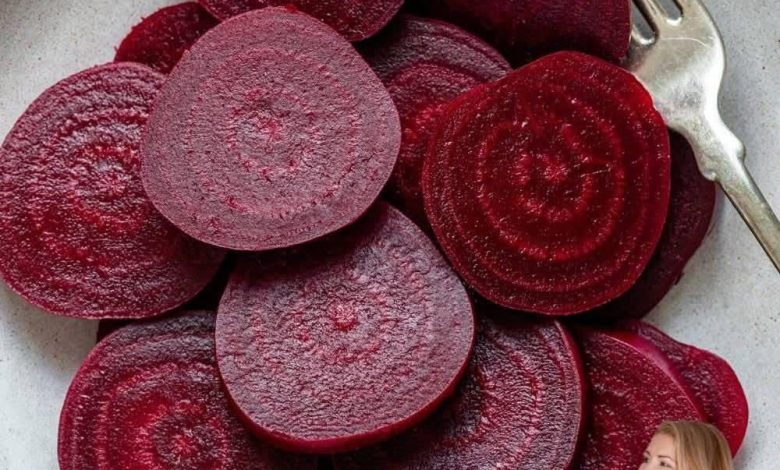
Beets (also known as beetroot) are more than just colorful vegetables—they’re loaded with essential nutrients, antioxidants, and natural compounds that promote cardiovascular health, cognitive function, and physical endurance. Whether you roast them, blend them into juice, or shred them raw into a salad, beets offer science-supported advantages in every serving.
1. Nutrient-Rich Yet Low in Calories
A 100-gram portion of raw beets contains approximately:
- Fiber – 2.8 g → Encourages healthy digestion and gut balance
- Folate (Vitamin B9) – 27% DV → Vital for cell development and pregnancy health
- Manganese – 16% DV → Supports bone strength and metabolic processes
- Potassium – 9% DV → Assists in maintaining healthy blood pressure
- Iron + Vitamin C → Aid oxygen circulation and immune function
With only about 43 calories per 100 grams, beets provide substantial nutrition without adding many calories.
2. Unique Plant Compounds
2.1 Betalains – Potent Antioxidants
These natural pigments give beets their deep red color and:
- Help combat inflammation
- Support natural detoxification pathways
- Shield cells from oxidative damage
2.2 Nitrates – Natural Circulation Boosters
Beets are among the richest dietary sources of nitrates, which the body converts into nitric oxide. Nitric oxide:
- Relaxes and widens blood vessels
- Enhances circulation and oxygen delivery
- Improves physical performance
3. Research-Supported Benefits
3.1 May Reduce Blood Pressure
Studies indicate that drinking about 250 ml of beet juice daily may lower systolic blood pressure within hours due to improved vessel dilation.
(If you take blood pressure medication, speak with a healthcare professional before increasing beet intake.)
3.2 Improves Exercise Capacity
Athletes often consume beet juice to:
- Boost stamina
- Delay muscle fatigue
- Increase oxygen efficiency
For optimal effects, consume it 2–3 hours before physical activity.
3.3 Supports Cognitive Health
Better blood flow from nitrates may aid brain function, particularly in older adults.
3.4 Encourages Digestive Wellness
The fiber in beets nourishes beneficial gut bacteria and promotes regular digestion.
4. Easy Beet Salad Idea 🥗
Ingredients
- 2 medium cooked beets, cubed (roasted or boiled with skin on)
- 2 cups baby arugula or spinach
- ¼ cup crumbled goat cheese or feta (optional)
- 2 tablespoons walnuts or pumpkin seeds
- 1 tablespoon extra-virgin olive oil
- 1 teaspoon apple cider vinegar or fresh lemon juice
- Salt and black pepper to taste
Why This Combination Works
- Olive oil enhances absorption of fat-soluble antioxidants
- Lemon juice or vinegar improves iron absorption
- Fiber supports gut balance
Tip: Light roasting or consuming beets raw helps preserve more natural nitrates. Extended boiling may reduce some nutrient content.
About “Beeturia”
If you notice pink or red urine or stool after eating beets, there’s no need for concern. This harmless effect—called beeturia—occurs in about 10–14% of people and relates to how the body processes beet pigments.
Final Thoughts
Beets are a humble root vegetable with powerful health benefits. From heart support to improved stamina and digestion, they make a nutritious and flavorful addition to nearly any meal.
Blend them into smoothies, mix into grain bowls, stir into hummus, or toss into salads—their naturally sweet, earthy taste makes healthy eating vibrant and enjoyable.