The Psychology Behind Clearing the Table: Why Do We Help the Waiter?
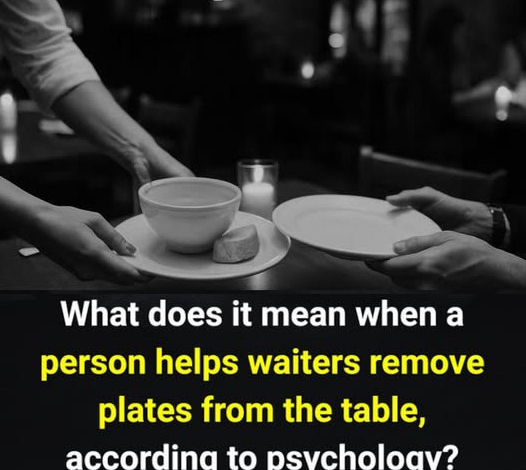
We’ve all done it: dinner wraps up, conversation fades, and the server approaches the table. Before they even reach for a plate, you’ve already begun stacking dishes and collecting utensils.
What feels like simple politeness may actually say more about you than you realize. Psychologists sometimes call this habit “guest pre-bussing,” and it can reflect deeper personality traits and social motivations. Here’s what might be behind that small but considerate gesture.
The Need for Order and Closure
For some individuals, a cluttered table creates subtle mental tension. Once the meal ends, dirty dishes stop representing food and start representing disorder.
Mental Completion: People naturally look for a sense of closure. Pushing your plate forward or stacking dishes can signal to your brain that the dining experience has officially ended.
Preference for Organization: Those who value neatness in daily life often tidy up automatically, restoring a sense of structure and personal space.
Empathy and a Desire to Be Helpful
In personality research, individuals who score high in agreeableness—one of the Big Five traits—are typically more inclined to assist others.
Empathetic Response: If you notice your server juggling multiple tables, you may instinctively try to make their job easier by organizing plates.
Avoiding Inconvenience: Some people help because they don’t want to feel like a burden. Keeping the table orderly can feel like a way to maintain smooth, positive interactions.
Social Balance and Subtle Dynamics
There can also be an unconscious social element at play.
Reducing Hierarchy: Being served can make some guests feel uneasy. Lending a hand may feel like a way to narrow the gap between “server” and “served.”
Affirming Self-Identity: Small helpful actions reinforce how we see ourselves—capable, considerate, and thoughtful—providing a quiet psychological boost.
Does It Actually Help?
While the intention is kind, it doesn’t always make things easier. Servers often have their own method for stacking plates to keep them balanced and efficient. Random stacks can sometimes slow them down or create instability.
Helpful Hint: If you’d like to assist without disrupting their routine, slide your plate toward the table’s edge and place your utensils neatly across it. This clearly signals you’re finished while allowing the server to handle the rest their way.
Smart Ways to Be Considerate
If you naturally prefer tidiness, here are ways to help effectively:
Consolidate Scraps: Gather leftover food onto one plate to reduce mess and prevent spills.
Arrange Utensils Neatly: Place silverware parallel on the plate to show you’re done.
Clear Personal Items: Move phones, glasses, or bags out of the server’s reach.
Stack Carefully: If you choose to stack plates, put the largest on the bottom and avoid placing heavier dishes on top of smaller ones.
In Short
If you’re someone who organizes plates before the server arrives, it often reflects empathy, orderliness, and social awareness. You likely value efficiency and enjoy contributing—however subtly—to a smoother shared experience.