“Notice Nails Like This? Time to Get Checked”
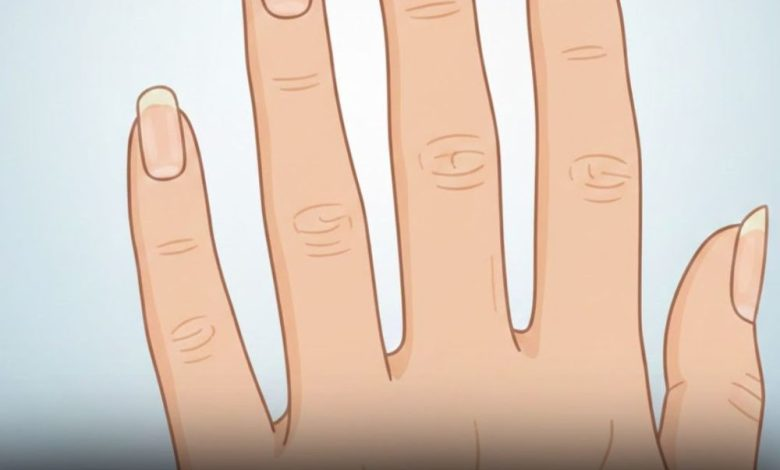
What Your Fingernails May Say About Your Health
Many people treat fingernails as just a cosmetic detail—we cut them, paint them, and rarely think much about them. However, nails can sometimes offer small hints about what’s happening inside the body. Shifts in color, texture, or shape may occasionally reflect underlying health conditions.
While many nail changes are harmless, some signs shouldn’t be ignored. If your nails begin to look noticeably different, it may be a good idea to talk with a healthcare professional.
Common Nail Changes and Possible Meanings
1. Pale or Whitish Nails
- May sometimes be associated with anemia, liver issues, or certain nutrient deficiencies.
- Healthy nails usually appear light pink due to blood circulation underneath.
- If pale nails occur alongside fatigue, dizziness, or breathlessness, medical advice is recommended.
2. Yellowish Nails
- Frequently linked to fungal nail infections, especially if the nails also become thick or crumbly.
- Long-lasting yellow discoloration can occasionally relate to respiratory problems, thyroid conditions, or diabetes.
- If the color doesn’t improve with routine care, it’s best to have it checked.
3. Blue or Purplish Nails
- A bluish tone may suggest reduced oxygen levels in the blood.
- This can sometimes be connected to heart or lung conditions.
- If it appears with breathing difficulty, chest discomfort, or extreme tiredness, seek prompt medical help.
4. Dark Lines Beneath the Nail
- Thin vertical streaks may be harmless and more common in people with darker skin tones.
- However, new lines that widen, change shape, or spread should be examined to rule out more serious causes.
5. Fragile, Splitting, or Peeling Nails
- Often caused by repeated exposure to water, soaps, or cleaning chemicals.
- Ongoing brittleness may also be linked to thyroid problems or deficiencies in nutrients such as iron or biotin.
- If nails remain weak despite proper care, a medical evaluation may help identify the reason.
6. Spoon-Shaped Nails (Koilonychia)
- Nails that curve upward like a spoon may be connected to iron-deficiency anemia.
- If this appears with symptoms like tiredness or weakness, checking iron levels can be helpful.
7. Clubbing (Rounded Fingertips and Curved Nails)
- In this condition, the fingertips enlarge and nails curve downward over time.
- It can sometimes be related to lung or heart disorders.
- Because it develops gradually, people often overlook it—medical assessment is advisable.
8. Horizontal Grooves (Beau’s Lines)
- Deep horizontal ridges may form after severe illness, infection, or physical stress.
- They indicate that nail growth temporarily slowed or stopped.
- Repeated grooves could signal an underlying health concern.
When to Pay Attention
Fingernails grow slowly, which means changes might reflect events that happened weeks or even months earlier. Not every unusual nail appearance indicates a serious issue. However, you should seek medical guidance if nail changes are sudden, persistent, or accompanied by other symptoms.
The Takeaway
Fingernails are more than just a cosmetic feature—they can quietly reflect aspects of your overall health. Noticing unusual changes and discussing them with a healthcare professional when necessary can help identify potential concerns early.
If your nails begin to look significantly different and you’re unsure why, scheduling a routine check-up can offer reassurance and support your long-term well-being.