When to Worry About Veins That Appear Out of Nowhere!?
The human vascular system is an intricate, high-pressure network that delivers blood to every organ and limb. Most of the time, we barely notice the faint blue or green lines beneath our skin—until they suddenly seem more pronounced. Seeing veins stand out on your hands, arms, legs, or chest can feel alarming, prompting concerns about circulation. In many cases, however, increased vein visibility is harmless and linked to normal changes in body composition, environment, or aging. Understanding the reasons behind it helps distinguish between a cosmetic shift and a potential medical issue.
To understand why veins may appear more noticeable, it’s important to recognize what usually keeps them less visible. Skin thickness, elasticity, and the layer of subcutaneous fat all act as natural coverage. When these factors change, veins become easier to see. A common reason is reduced body fat. Weight loss or intense physical training thins the fat layer between muscle and skin. As that cushioning decreases, veins are pushed closer to the surface, creating a more defined or vascular look.
Exercise also plays a major role in both temporary and lasting vein prominence. During strength training or high-intensity workouts, the body increases blood flow to deliver oxygen to working muscles. This surge causes veins to expand as they return blood to the heart. Over time, consistent training leads to muscle growth. As muscles enlarge, they press outward against the skin, making veins more visible even at rest. For athletes, this vascular appearance reflects adaptation to sustained physical demand.
Temperature can influence how veins look from day to day. In warm conditions, the body widens surface blood vessels through a process called vasodilation. This allows heat to escape more efficiently, helping regulate internal temperature. As a result, veins may look fuller and darker in hot weather or after a warm shower. In cooler conditions, vessels constrict, and veins often appear less noticeable. These changes are part of normal temperature regulation.
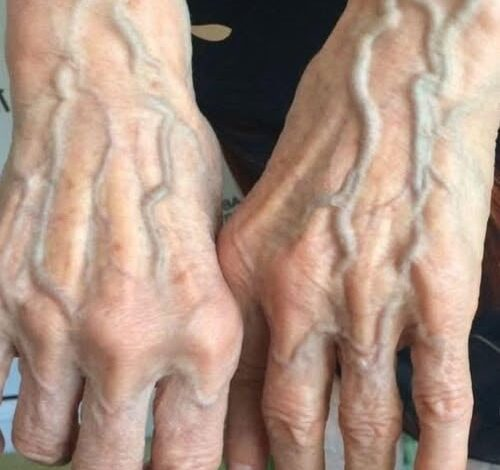
Aging is one of the most consistent factors in vein visibility. Over time, the skin gradually loses collagen and elastin, becoming thinner and less firm. This makes underlying vessels easier to see. Additionally, the small valves inside veins—responsible for preventing blood from flowing backward—may weaken with age. When that happens, blood can pool slightly, leading to mild bulging or more defined vein patterns. While often cosmetic, these changes become more common in later years.
Hormonal changes can also affect how veins appear. During pregnancy, for example, blood volume increases significantly to support fetal development. This added pressure can cause veins to become more prominent, especially in the chest and legs. Shifts in estrogen and progesterone levels during menopause or hormone therapy can influence vessel elasticity as well, sometimes leading to temporary changes in vein visibility.
Although most cases are harmless, certain symptoms should prompt medical evaluation. If a newly visible vein is accompanied by pain, swelling, warmth, or heaviness in a limb, it may signal a circulatory issue. Twisted, rope-like veins that are dark blue or purple can indicate varicose veins caused by weakened valves. More urgently, sudden swelling in one limb with redness and tenderness may suggest a blood clot, such as deep vein thrombosis (DVT). In such situations, vein prominence is not merely cosmetic and requires prompt attention.
Protecting vascular health involves supporting healthy circulation. Regular movement keeps blood flowing efficiently, particularly through the calf muscles, which act as a secondary pump when walking. Staying well hydrated helps maintain proper blood consistency. For those who sit or stand for long periods, compression garments can assist circulation and reduce pooling.
In most instances, a visible vein is simply a reflection of natural body processes—aging, fitness, heat exposure, or hormonal fluctuation. It highlights the continuous effort of the circulatory system working beneath the surface. By observing accompanying symptoms and understanding the context of these changes, you can better determine whether a visible vein is a normal variation or a sign to seek medical advice.