Found this smooth wooden object in an old sewing tin. Shaped like a mushroom but the handle is too short to be a pestle.
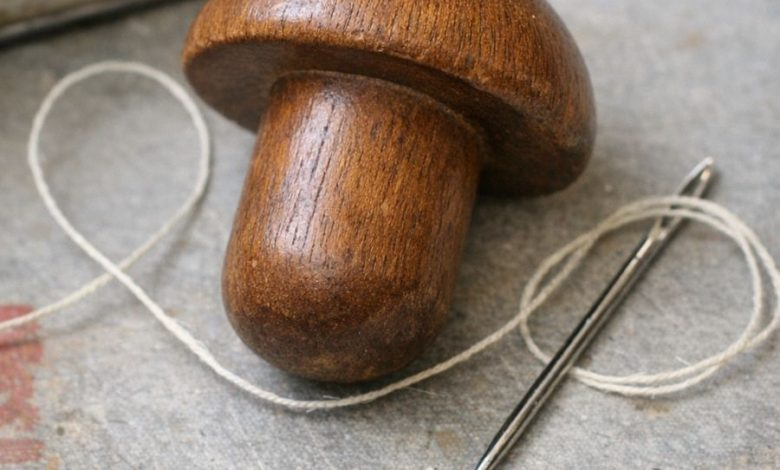
Discovering the Darning Mushroom: A Vintage Sewing Tool
If you’ve ever sorted through an old sewing box, you know how many unexpected treasures can appear. Tucked between spools of thread and scattered buttons, you might come across a small wooden object shaped like a mushroom—rounded top, short handle—and wonder what purpose it once served.
1. The Curious Wooden Shape
This smooth, palm-sized tool usually features a cap about three inches wide and a stubby handle roughly two inches long. Its polished surface hints at years of regular handling. Though it resembles something from the forest floor, its presence in a sewing kit reveals it belongs to the world of fabric repair.
2. Definitely Not for the Kitchen
Some people mistake it for a small pestle, but the design doesn’t support that idea. A true pestle requires weight and leverage for grinding. This lightweight, rounded object is made for careful, detailed work instead.
3. Introducing the Darning Mushroom
The mystery item is known as a darning mushroom—a classic sewing aid used to mend holes in socks and stockings. The curved top mimics the shape of a heel or toe, making it easier to stitch torn fibers back together. In earlier generations, clothing was repaired repeatedly, and this simple tool was a household staple.
4. How It’s Used
Using a darning mushroom is straightforward:
- Slip the damaged sock over the rounded top.
- Pull the fabric snug so the hole is centered and visible.
- Stitch back and forth across the gap, first in one direction, then weave stitches across the other way.
This weaving technique—called darning—reinforces the worn area and blends new thread with the old material.
5. Thoughtful Construction
Every detail of the tool serves a purpose:
- Smooth, rounded cap: Prevents snagging while allowing fabric to stretch evenly.
- Durable hardwood: Often crafted from beech or maple for strength and longevity.
- Occasional decorative accents: Some feature painted tops or carved handles for a personal touch.
6. What Sewing Tins Tell Us
Opening a vintage sewing tin offers a glimpse into daily life from decades past. A darning mushroom suggests a time when repairing garments was routine and practical tools were cherished and reused, often handed down within families.
7. Different Forms
While the mushroom style is most recognizable, similar tools include darning eggs—oval-shaped versions that function the same way. Some were designed with decorative flair, reflecting both utility and artistry.
8. Using One Today
If you’d like to try it yourself:
- Position the hole over the curved surface.
- Stretch the fabric evenly without pulling too tight.
- Sew straight lines across the opening, then weave stitches through them to create a supportive patch.
The result is a sturdy repair that helps extend the life of the garment.
9. Preserving a Vintage Tool
To maintain an old darning mushroom:
- Wipe gently with a damp cloth—avoid immersing it in water.
- Occasionally rub with a small amount of mineral oil or beeswax to keep the wood conditioned and smooth.
10. A Piece of Domestic History
Once considered ordinary household items, darning mushrooms are now appreciated as collectibles. Handcrafted or embellished examples can hold added value, though even simple versions carry nostalgic charm.
11. A Reminder of Sustainability
In today’s throwaway culture, this modest wooden tool represents a mindset centered on repair and resourcefulness. Mending clothes reduces waste, saves money, and fosters a deeper appreciation for what we own.