This plug has two round holes, but most people don’t know their clever purpose.
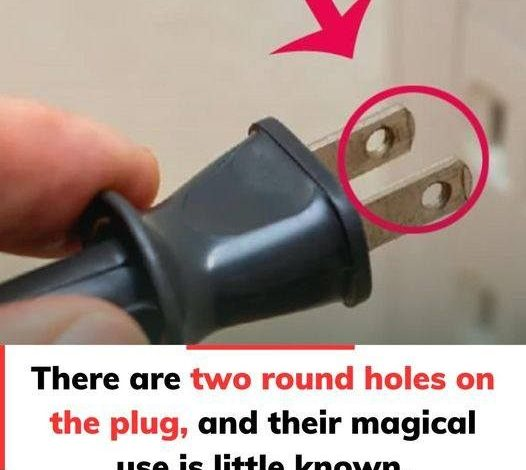
Have you ever noticed the two tiny openings on the prongs of a standard electrical plug? Although easy to miss, these small details actually serve several important functions that enhance both safety and reliability. Let’s explore what these little holes are really for.
A More Secure Connection
One of the main reasons these holes exist is to help the plug sit firmly in the outlet. Many outlets contain small metal bumps or catches that line up with the holes. When the plug is inserted, these features lock into place, keeping the plug steady and reducing the chance of it slipping out. This stable connection helps prevent sparks, arcing, and other electrical hazards that can occur when a plug loosens unexpectedly.
Added Protection for Children
The design also contributes to child safety. Because the holes allow the prongs to seat deeper into the socket, it becomes harder for children to wiggle or manipulate the plug. This reduces the likelihood of little hands inserting objects or otherwise tampering with the outlet, lowering the risk of shock or injury.
Useful in Manufacturing and Packaging
Beyond safety, the holes offer practical benefits during production and packaging. Manufacturers can use them to attach tags, ties, or tamper-evident seals. These seals help buyers confirm that the product hasn’t been opened or altered. Using the existing holes for this purpose also minimizes extra materials, making the manufacturing process more efficient and environmentally friendly.
In summary, those tiny holes on plug prongs do far more than you might expect. They contribute to a secure electrical connection, enhance safety—especially for children—and simplify packaging and manufacturing. It’s a great example of how small design choices can have a big impact on everyday products.