Understanding Water Retention: Causes, Symptoms, and Solutions
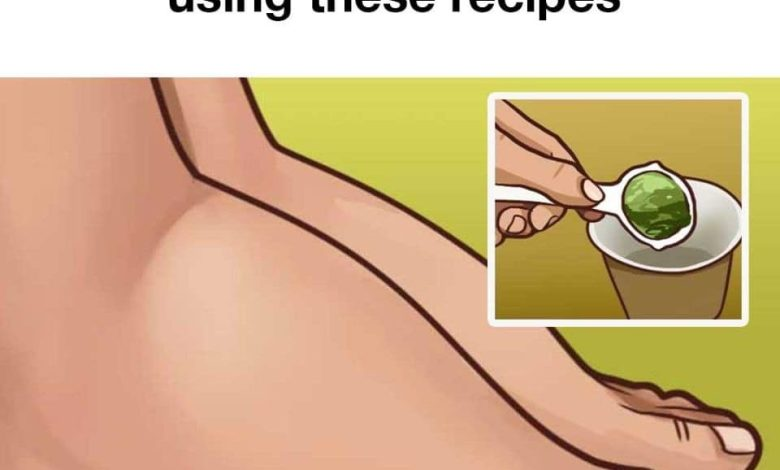
Water retention, also called edema, happens when excess fluid builds up in the tissues of the body. While occasional water retention is normal and usually temporary, frequent or long-lasting episodes can cause discomfort and might indicate underlying health problems. Knowing the causes of water retention and how to manage it is important for maintaining good health.
Causes of Water Retention
Several factors can contribute to water retention, from dietary habits to medical conditions. Common causes include:
- Excessive Salt Intake
Consuming too much sodium leads the body to hold onto water to balance the salt levels, often causing swelling, particularly in the hands and feet. - Hormonal Fluctuations
Changes in hormone levels, especially in women during menstruation, pregnancy, or menopause, can cause increased water retention. These shifts affect how the kidneys regulate fluid, resulting in temporary bloating. - Lack of Movement
Prolonged sitting or standing slows circulation, which can cause fluids to pool in the legs and feet. - Certain Medications
Medications for conditions like high blood pressure, diabetes, or hormonal birth control may cause swelling as a side effect. Any new swelling after starting medication should be discussed with a doctor. - Chronic Health Conditions
Heart, kidney, or liver diseases can disrupt the body’s fluid regulation, causing ongoing edema. Managing these conditions is essential to controlling water retention.
Signs to Watch For
Symptoms of water retention vary but commonly include:
- Swelling in Extremities
Hands, feet, ankles, and legs may become noticeably swollen, especially after inactivity or at day’s end. - Feeling of Heaviness or Discomfort
Affected areas may feel stiff, heavy, or uncomfortable, with skin appearing stretched or shiny. - Skin Indentations
Pressing on swollen areas might leave a temporary dent, known as pitting edema, indicating more severe fluid buildup. - Rapid Weight Changes
Sudden weight gain without other explanation can be due to fluid accumulation rather than fat.
Tips to Manage and Reduce Water Retention
Addressing water retention involves lifestyle changes and treating any underlying causes. Helpful strategies include:
- Limit Salt Consumption
Reducing intake of salty and processed foods can help prevent water buildup. Focus on fresh fruits, vegetables, lean meats, and whole grains. - Drink Plenty of Water
Staying well-hydrated encourages the body to release retained fluids. Aim for at least 8 glasses daily, increasing with activity or heat. - Stay Active
Regular exercise, such as walking, swimming, or yoga, boosts circulation and helps prevent fluid pooling. - Raise Swollen Limbs
Elevating legs or feet above heart level encourages fluid drainage, especially after sitting or standing for long periods. - Use Natural Diuretics
Certain foods and herbs—like cucumber, watermelon, celery, dandelion, and parsley—can promote natural fluid elimination. - Wear Compression Socks
Compression stockings improve blood flow and reduce swelling, especially for people who spend long hours sitting or standing.
When to See a Doctor
While occasional swelling is often harmless, persistent or severe edema might require medical care. Consult a healthcare professional if you notice:
- Swelling that doesn’t improve with home care
- Difficulty breathing or shortness of breath
- Sudden, severe swelling in just one leg, which could signal a blood clot