9 Everyday Foods That May Not Be as Harmless as They Seem

Food Poisoning: A Risk for Everyone
Food poisoning can seem like something that only happens occasionally or to someone else—until you experience it yourself. Contaminants such as bacteria, viruses, and parasites can enter food at multiple points, from production and transport to preparation at home. Although anyone can become ill, pregnant individuals, small children, older adults, and people with weakened immune systems face a higher risk of complications. Even common foods found in everyday kitchens can pose a threat if handled improperly.
Foods That Require Extra Care
1. Fresh Produce
Leafy greens and raw vegetables may carry bacteria like E. coli, Salmonella, or Listeria due to soil, water, or handling during transport.
- Wash thoroughly under running water before eating.
- Avoid pre-packaged salads that appear slimy or wilted.
2. Raw Sprouts
Sprouts such as alfalfa, bean, or clover can contain bacteria within the seed itself.
- Vulnerable individuals should avoid eating them raw.
- Cooking sprouts lowers the risk.
3. Eggs (Raw or Lightly Cooked)
Eggs may contain Salmonella either inside or on the shell.
- Throw away eggs that are cracked or dirty.
- Choose pasteurized eggs for dishes like homemade mayonnaise or mousse.
4. Raw Fish and Shellfish
Seafood can carry various toxins or bacteria if not stored correctly.
- Poor storage may cause scombroid poisoning.
- Some reef fish may contain ciguatoxin.
- Shellfish can accumulate harmful algae toxins.
- Purchase from reliable suppliers and keep properly chilled.
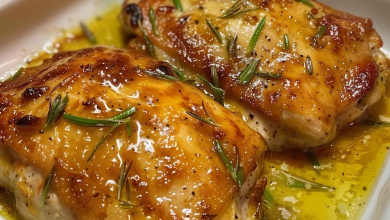
5. Poultry (Undercooked)
Chicken, turkey, and duck often harbor Campylobacter or Salmonella.
- Cook thoroughly until juices run clear.
- Avoid washing raw poultry, as this can spread bacteria around the kitchen.
6. Cooked Rice
When left at room temperature, spores of Bacillus cereus can multiply quickly.
- Serve immediately or refrigerate soon after cooking.
- Reheat until piping hot.
7. Unpasteurized Milk
Raw milk may contain dangerous pathogens such as E. coli, Listeria, or Salmonella.
- Pasteurized milk significantly reduces these risks.
8. Undercooked Beef
Dishes like steak tartare or rare ground beef may contain E. coli or Listeria.
- Cook ground beef thoroughly until no pink remains inside.
9. Processed Deli Meats
Items like ham, hot dogs, and sliced turkey can sometimes become contaminated after processing.
- Store in the refrigerator and consume promptly.
- Heat hot dogs until steaming, especially for those at higher risk.
Final Thoughts
Foodborne illness does not discriminate—it can affect anyone. However, careful food handling makes a major difference. Washing produce, cooking meats fully, and refrigerating leftovers promptly are simple steps that greatly reduce the likelihood of illness. In the kitchen, prevention is always the safest approach.